
Ron and Dianna’s Broken Marriage
Under the Banner of HeavenThis thread traces Ron and Dianna’s shift from an admired marriage to coercion, separation, and the resentment Ron attached to her departure.
increasing Bearing strength in each event
 decreasing
Bearing strength in each eventdecreasingAn Admired Household

An Admired Household
A public image of stability
Ron and Dianna had been married for more than sixteen years. They raised six children in Highland, where Ron served in church and community roles. Acquaintances remembered a marriage other young women admired and a father who seemed devoted to his family.
A private vulnerability
The apparent stability did not reveal the strain Ron carried from childhood or the financial pressures accumulating around his construction projects. Dianna had known him as a loving husband, but the pressures and injuries beneath that image would shape the way he reacted to loss and disagreement.
The contrast between the marriage people admired and the relationship that followed helps explain the shock friends expressed when Ron changed. It does not excuse his later conduct; it marks how thoroughly his behavior departed from the life Dianna believed she shared with him.
A Sudden Conversion
A Sudden Conversion
Dianna seeks intervention
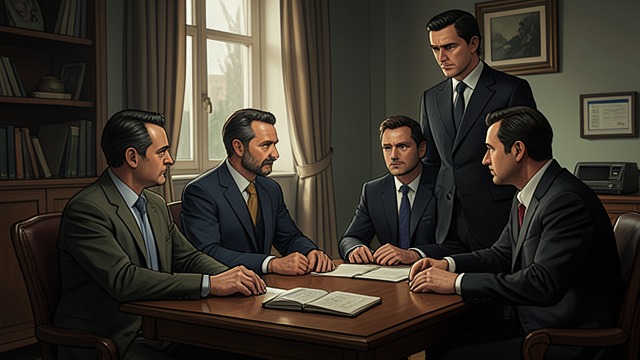
Dianna asked Ron to attend a meeting with his brothers because Dan’s teachings were destabilizing their households. She hoped Ron, the older brother and a familiar mediator in the family, would challenge the changes and restore calm.
The meeting reverses expectations
Ron joined his brothers’ discussion as a defender of mainstream church authority, but Dan argued that the institution had abandoned true doctrine. Within hours, Ron accepted Dan’s fundamentalist position. When he returned home, Dianna felt that a different man had walked through the door.
The emotional shock came from the speed of the reversal as well as its content. Dianna had asked her husband to help his brothers; instead, his new allegiance placed their household under the very rules she feared.
Control Replaces Partnership
Control Replaces Partnership
Household rules take hold
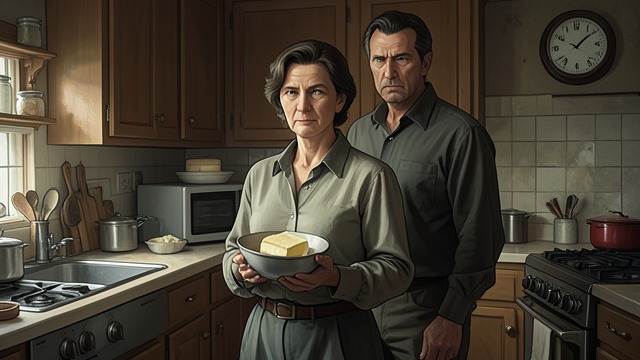
Ron expected Dianna to follow restrictive domestic demands inspired by The Peace Maker. Even making butter at home became an example of how his religious turn reached into ordinary decisions. His conduct shifted from treating her like a queen to expecting her to serve him.
An increasingly strained bond
Dianna tried to keep Ron on her good side and to reason with him, sometimes staying up most of the night attempting to reach the husband she had known. But he grew meaner, more controlling, and increasingly committed to plural marriage. His demands turned marriage into a relationship organized around obedience rather than mutual care.
Dianna’s continued attempts to talk with him show that she did not abandon the marriage lightly. She was trying to preserve a family while recognizing that its familiar rules of trust and kindness had begun to disappear.
The Breaking Point
The Breaking Point
A threat to the children
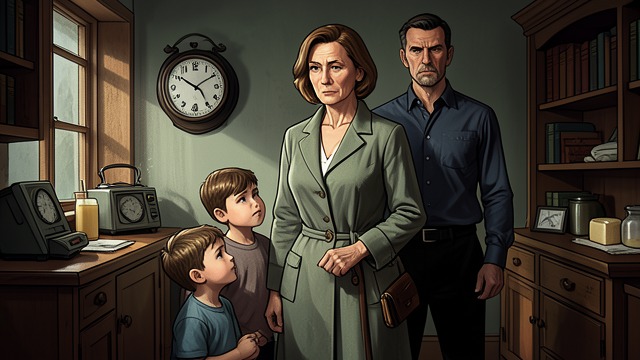
Ron spoke with growing enthusiasm about polygamy. When he announced that he intended to marry off their teenage daughters as plural wives, Dianna reached a breaking point. The issue was no longer a theoretical debate over religious history: she feared what Ron’s beliefs could mean for their children.
Reaching beyond the marriage
Dianna turned to friends, church leaders, and especially Brenda for help. She also had to reckon with practical barriers: six children, no college degree, no work history, and little confidence that she could manage alone. Her fear and dependence made escape difficult even after she understood the danger.
Brenda’s advice helped Dianna see that leaving was imperative, but the decision remained hers. The growing network of support offered an alternative to the isolation Ron’s authority and the family’s new rules had created.
Separation and Blame
Separation and Blame
Building a life apart
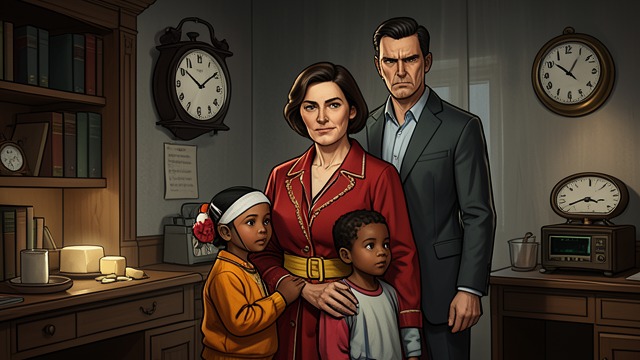
Dianna’s divorce was finalized in the autumn of 1983. Around Thanksgiving she moved with the children to Florida, seeking distance from Ron and the Lafferty family. What had once been an admired household became a separated family whose members lived far apart.
Ron recasts the loss
Ron was devastated by the departure, which he experienced as the loss of everything he had built. Rather than accept Dianna’s decision as a response to his behavior, he blamed people who had helped her, including Brenda. His grief hardened into anger and became bound to a story of persecution and betrayal.
The ending of the marriage did not end Ron’s attachment to Dianna; it transformed that attachment into grievance. His inability to accept her independence made her departure a central wound in the chain of events that preceded the killings.
Before mid-1982
Late summer 1982
After Ron’s conversion in 1982
As Ron began discussing plural wives and daughters
Autumn 1983 through the months before July 1984
